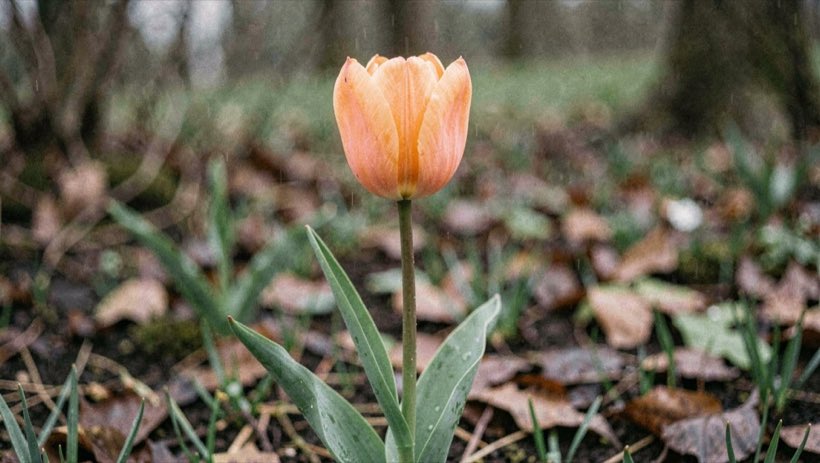
Record sheet
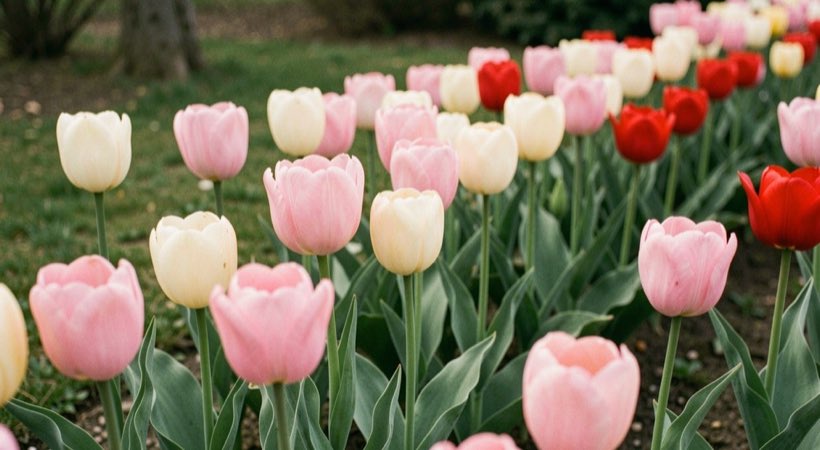
Apricot Beauty
The Ledger · Apricot Beauty tulip
Source-labelled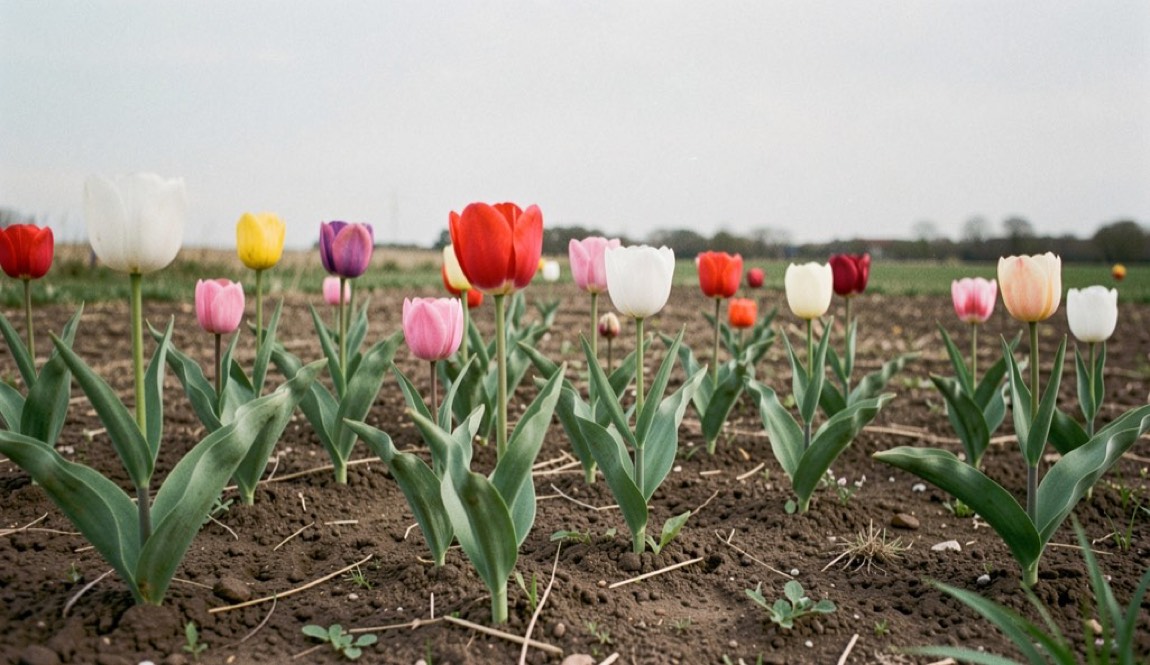
A garden reference, not a catalogue
Compare a tulip name with its group, broad season and evidence trail before it becomes a planting decision.
Open a route
Six subject beds lead from a name or flower form to a source-labelled next step. When the question is the shape of the whole space rather than the name of one bulb, a landscape design planning guide covers ground this reference deliberately leaves out.
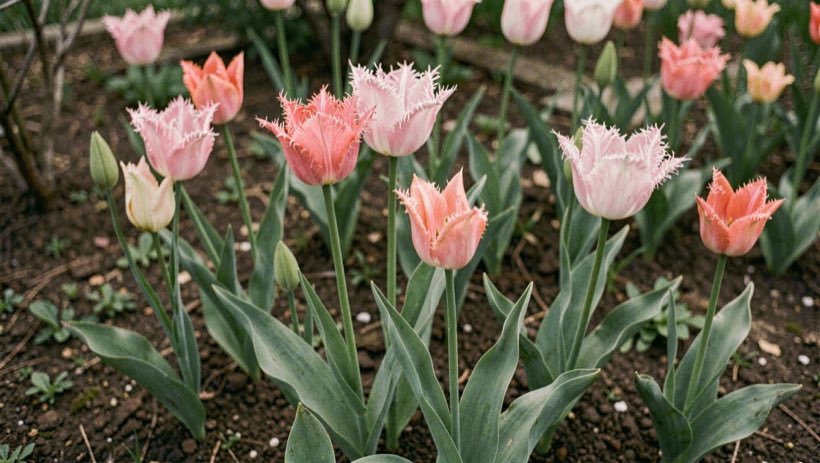
A flexible sequence
Broad bands keep a planting useful when spring refuses to follow a fixed script.
A small working index
Every row carries its group, broad bloom band and record state.
| Name | Group | Bloom band | State |
|---|---|---|---|
| Apricot Beauty | Single Early | Early | Source-labelled |
| Ad Rem | Darwin Hybrid | Mid | Source-labelled |
| Angelique | Double Late | Late | Source-labelled |
| Black Parrot | Parrot | Late | Source-labelled |
| Species tulips | Species | Variable | Source-labelled |
Use the full name index when the question starts with a cultivar.
Four source-labelled sheets
Each record names its limits before offering a garden reading.
Record sheet
The Ledger · Apricot Beauty tulip
Source-labelled
Record sheet
The Ledger · Ad Rem tulip
Source-labelled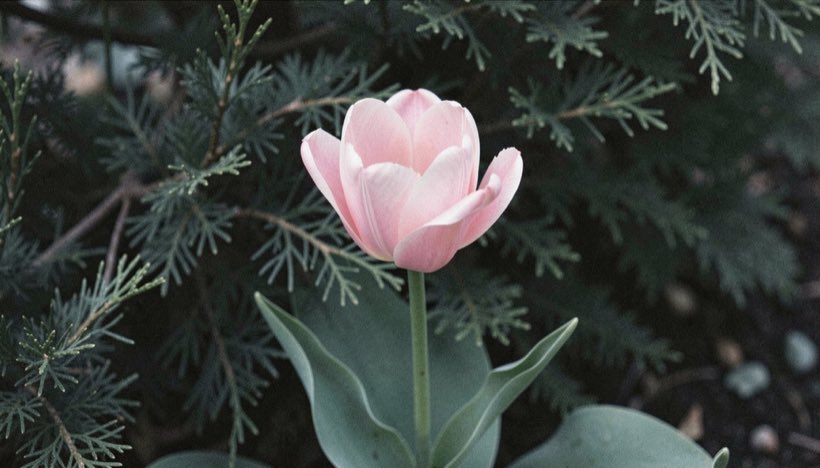
Record sheet
The Ledger · Angelique tulip
Source-labelled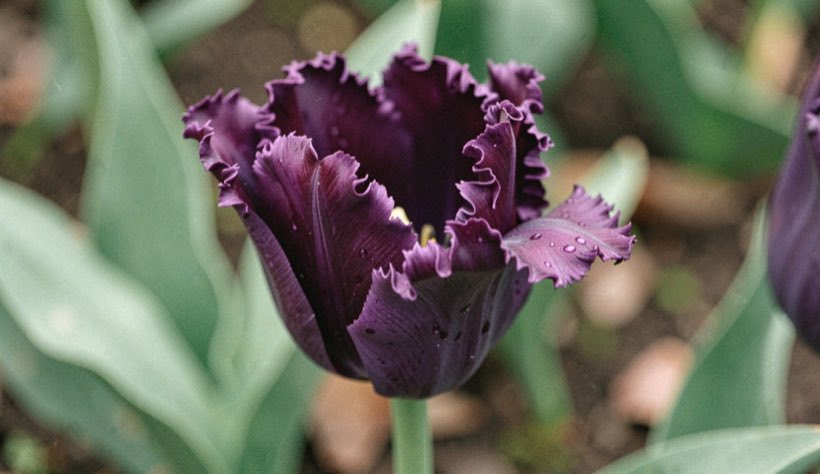
Record sheet
The Ledger · Black Parrot tulip
Source-labelledA living stream
Dates, source checks and seasonal questions keep the reference open.
Read the note The launch review keeps registry facts apart from garden interpretation.
Read the note Name searches now foreground verification status before colour or season.

Read the note Bloom bands are presented as comparisons, not calendar promises.
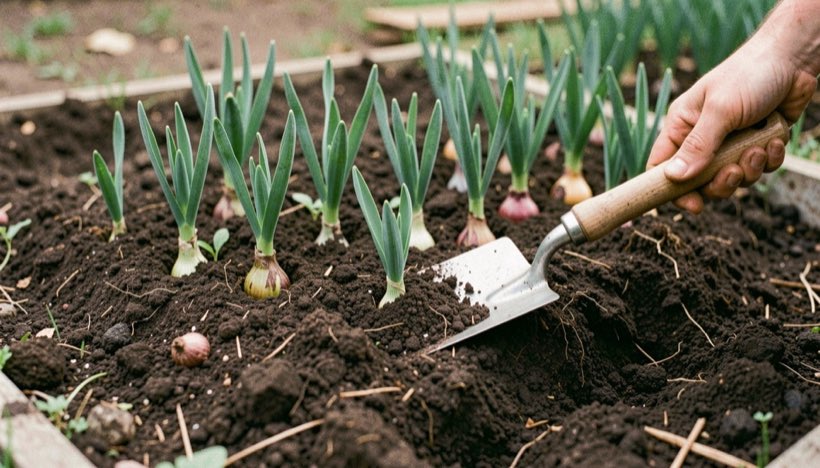
Read the note The planting guide points readers back to bulb condition and drainage.
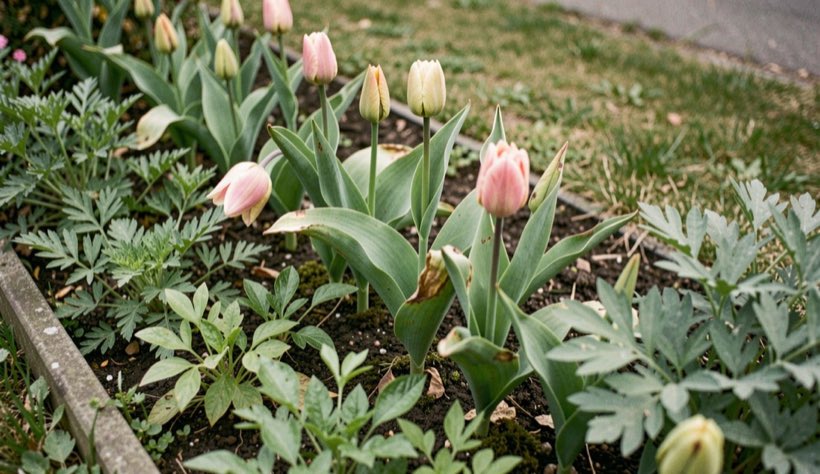
Read the note Aftercare notes distinguish foliage decline from a problem needing diagnosis.

Read the note Species pages retain accepted-name links instead of informal shorthand.
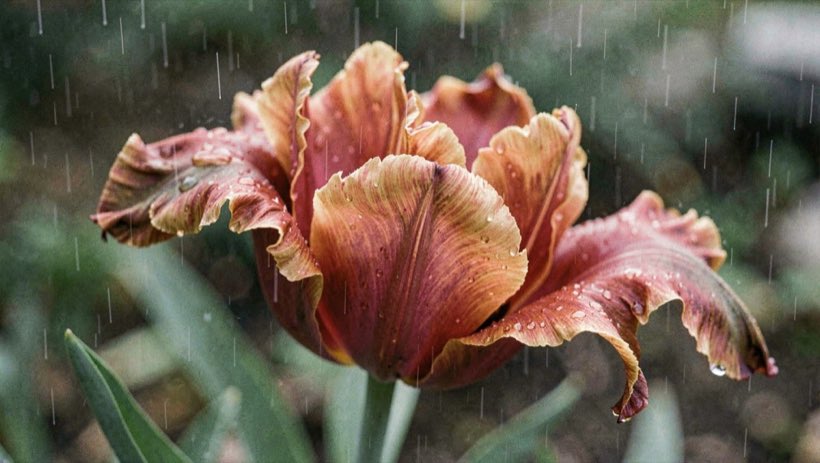
Read the note Parrot forms are discussed with a weather note where evidence warrants it.
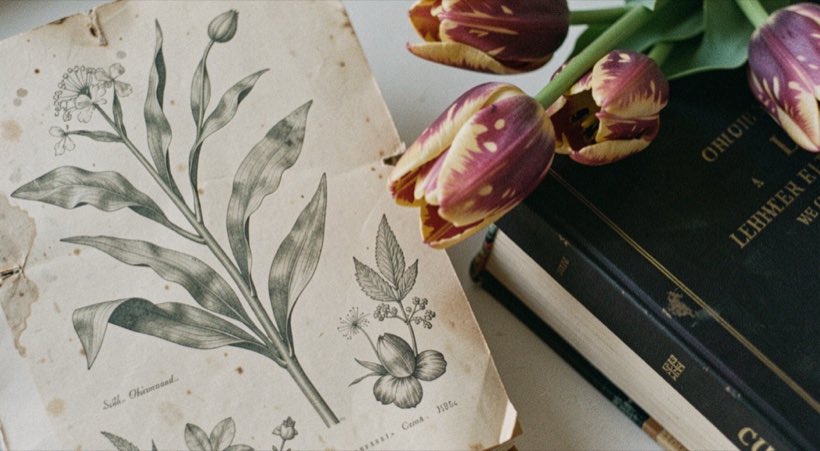
Read the note The historical term stays separate from modern flame-patterned cultivars.
How windbreaks, evergreen and deciduous hedging affect a spring bulb bed, and how close tulips and other bulbs can be planted to a hedge.
What to do with a glut of vegetables: published brining and fermenting methods, how much salt a brine needs, and how long a jar keeps.
How a fresh evergreen wreath is built from conifer foliage, how noble fir compares with a mixed wreath, and how much garland a door, mantel or stair rail needs.
What the floor of an oak wood teaches bulb growers about soil structure, leaf mould and shade, with notes on sessile and pedunculate oak.
A record of what the first year of a garden costs, which outlays are one-off and which return each season, and how a ten-year budget is held.
Where to store tulip bulbs and garden tools over winter: dry sheds and garages, safe heat sources, and the checks a store needs before cold weather.
How to plant bulbs where summers are dry, what a plot's soil and planting reveal before a purchase, and which plants carry a dry garden between bulb seasons.
How a tea table is set for a spring tulip display, how handmade painted objects are told from copies, and what care enamelled and lacquered pieces need.

Read the margin
Registration facts, named trial observations and editorial tags are different things. The methodology explains the route, the editorial policy explains the standard, the contact desk keeps a correction close at hand and the legal note states the scope.
Beyond the border
None of them supports a statement published here; each answers a neighbouring question a tulip grower actually meets.
A Dutch guide to woningontwerp en indeling is filed here because the window a vase of tulips will stand in is usually settled long before the bulbs are ordered, and terrarium verwarming instellen is kept for readers who bring bulbs on under glass and want to understand how a controlled temperature is actually held.
Growers who raise tulips for the garden or the vase can see what a well-grown bloom meets at the bench: Notes from W4, a west London allotment notebook, explains the classes, the staging and what a judge looks for at a local produce show.
Growers who cut their tulips for something worn can find the whole craft at Het Bindpunt, a Dutch reference on assembling a floral corsage and fastening it on clothing, hair or ear.
For the assessment of open space, the archived practice pages of Ashley Godfrey Associates set out how audits, provision standards and structured consultation were applied, including work on PPG17 open space assessment and playing pitch strategies for British councils.
For readers who want to put names to the wild buckwheats of western North America and build dry gardens around them, The Umbel Journal keeps a field record of the genus Eriogonum, its growers and its pollinators.
For households where a child wants to sow, grow and pick something this season, The Sunflower Fort covers easy seeds, balcony pots and safe digging.